Vertical vs Horizontal Scaling
### Vertical Scaling (Scaling Up)
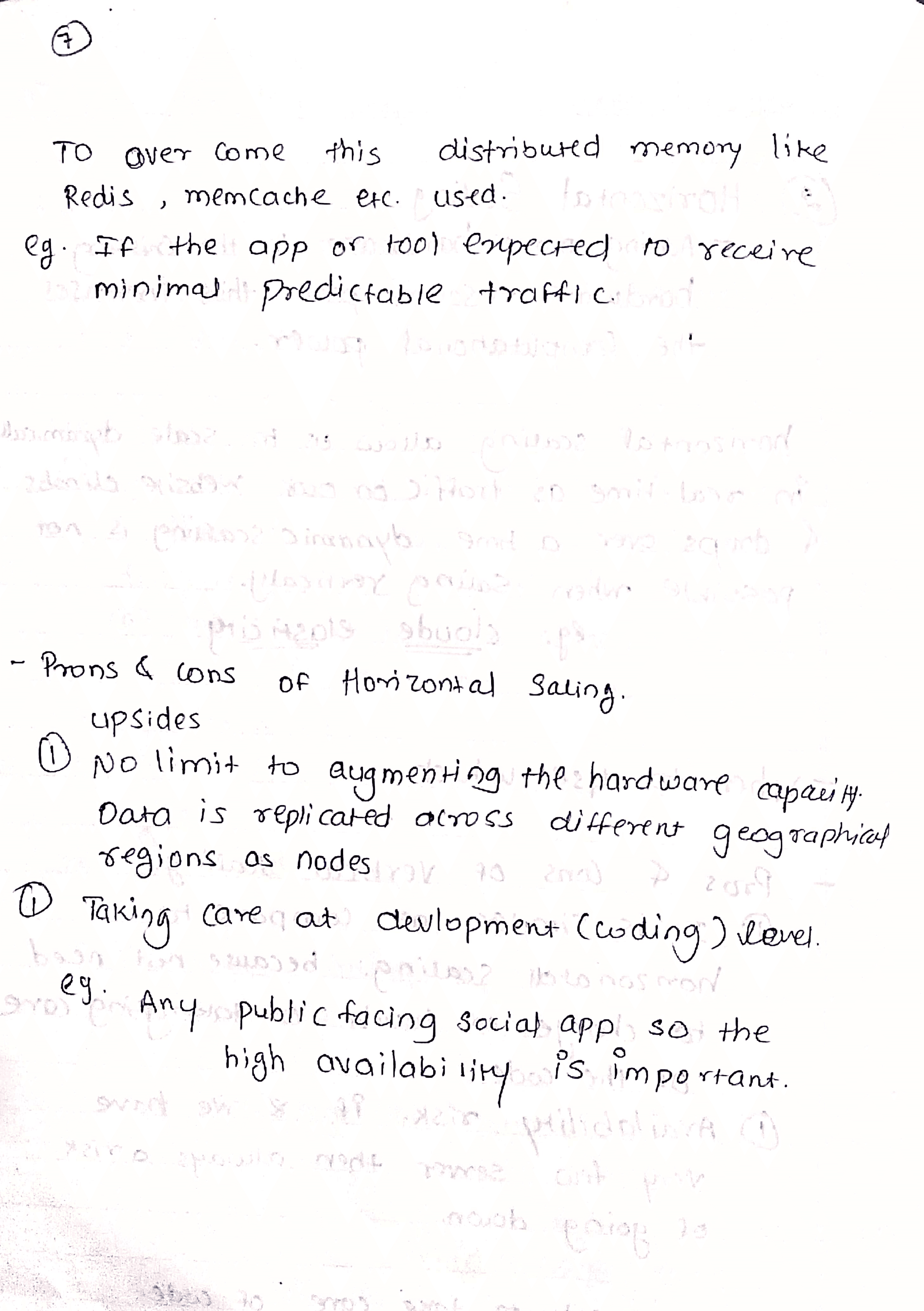
Vertical scaling involves adding more power (CPU, RAM) to an existing machine. - **Pros:** Extremely simple to implement, no code changes required, and excellent for initial startup phases. - **Cons:** Hardware has a hard limit, potential for extended downtime during upgrades, and presents a Single Point of Failure (SPOF).
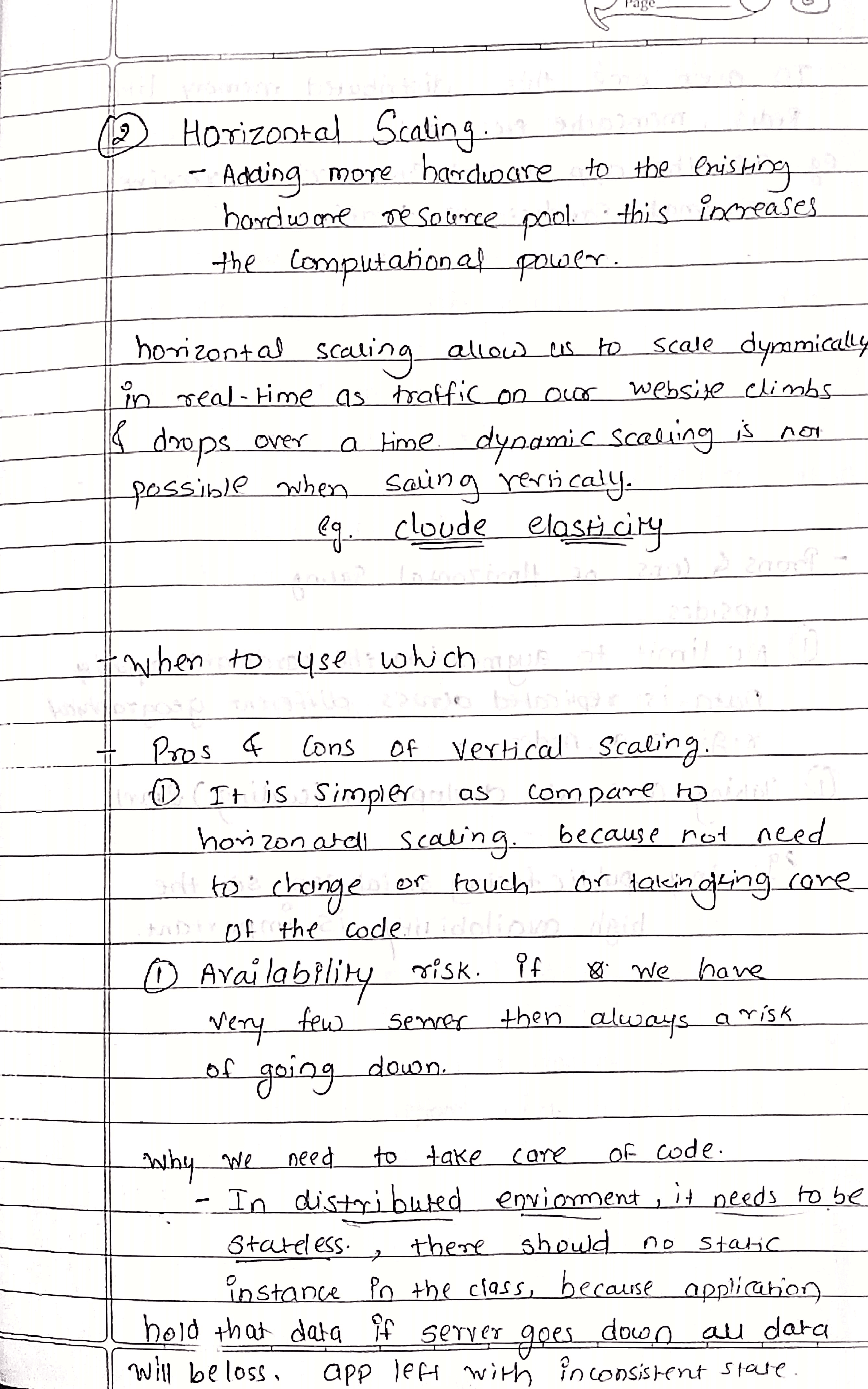
### Horizontal Scaling (Scaling Out)
Horizontal scaling involves adding more machines to your pool of resources. - **Pros:** Virtually infinite scalability, improved resilience and fault tolerance, and zero downtime upgrades. - **Cons:** Significantly increases system complexity, requires load balancing, and introduces challenges with distributed data consistency.
### Making the Choice
Most modern, cloud-native applications rely heavily on Horizontal Scaling for web servers and stateless microservices, while databases often start with Vertical Scaling before eventually transitioning to complex Horizontal Sharding patterns.